7 Drought-Tolerant Fruit Trees That Can Thrive in Arid and Semi-Arid Weather

As our climate changes, drought-tolerant gardening becomes increasingly vital. Water conservation has become an essential component of sustaining healthy, and one of the greatest ways to accomplish this is to grow fruit trees that flourish in hot, dry climates. Drought-tolerant fruit trees can play an important role in your garden, whether you live in a hot climate or simply want to make it more water-efficient. These trees are not only hardy, but they also provide excellent, homegrown fruit, making them ideal for any gardener or farmer.

A Loquat Fruit Tree


Drought-tolerant fruit trees are useful where water is a scarce resource or have very hot dry seasons. These trees are made to survive the very high temperatures and little water, unlike many other types of tree, which struggle and may even die under in similar conditions. If you enjoy of growing fruits but want to save on water, selecting drought-tolerant fruit trees can be a game changer.

Take a look at PASSION FRUIT FARMING IN KENYA: ESTABLISHMENT TO MARKET

Starting Your Drought-Tolerant Fruit Tree Garden

When you first plant a tree, it will require water to grow. However, once established, the tree’s water requirements will be greatly reduced. Mulching around your young trees can also assist keep moisture in the soil, reducing the need for regular watering.

As with any gardening project, it is critical to select the appropriate tree for your climate and soil type. While drought-tolerant varieties are ideal for warmer locations, those living in cooler climates can still cultivate many of these trees by planting them in containers that can be relocated to shady spots as needed. Keep in mind that container-grown fruit trees may need more frequent watering than those planted in the ground.

How to Formulate your Own Kienyeji Chicken Feeds at Home to Cut Costs.

Here’s a list of some of the most drought-tolerant fruit trees you can consider for your garden:

1. Figs

Figs are more than simply luxurious fruits; they are extremely flexible and may be used in both sweet and savory dishes. Fig trees (Ficus carica) are native to the Mediterranean and thrive in hot and dry regions. They are recognized for their hardiness and ability to live on very little water once established. Figs enjoy the sun, so plant them where they will get plenty of it. They flourish on good, well-drained loamy soil with a slightly acidic pH between 6.0 and 6.5.

A Fig Fruit Tree


Espaliering a fig tree against a fence or wall is an excellent method to maximize great way to maximize space while also creating an eye-catching element in your landscape.

These trees are low-maintenance, needing only annual pruning and occasional mulching. After planting, water, water your fig tree on a regular basis until it becomes established; however, once established, the tree can withstand extended dry spells.

Persimmon Fruit Farming in Kenya: A Step-by-Step Guide to Success

2. Loquat

Loquat trees (Eriobotrya japonica) are another excellent choice for drought-tolerant gardening. These trees are well-suited to hot and dry conditions and can grow up to 25 feet tall with a canopy spread of 15-20 feet. Loquats yield small, sweet or slightly acidic fruits in comparison to apricots. The loquat fruits can be eaten as a fresh delicacy, or made into excellent jellies, jams, or used in baking.

A Loquat Fruit Tree


Loquats need a full-sun hours, well-drained and slightly acidic to neutral soil. Apply mulch to help save moisture and weed out the space around it. Fertilizing your loquat tree three times per to guarantee healthy development and bountiful fruit.

3. Date Palm

The Date palms (Phoenix dactylifera) are quite loved because of their sweet, delicious dates, which are a treat on their own or when used in desserts.

These trees thrive in hot, dry climates and are widely grown in regions like South Asia, the Middle East, and Northern Africa. When planting date palms you will need both a male and female tree for fruit production. A location with full-sun hours and well-drained soil is necessary for your date palm.

A Date Palm


Water it regularly during the first few months after planting to help it establish. Once settled, reduce watering to avoid affecting fruit production. Fertilizing your date palms in early spring will encourage healthy growth.

4. Olives

The olive trees (Olea europaea) are the quintessential Mediterranean tree, that survive in dry, arid conditions. These produce versatile olives that are used in savory countless dishes or recipes. Olive trees are evergreen and quite hardy and can even tolerate some cold, but in colder regions, they might not bear fruit unless grown in containers that can be moved indoors during winter.

An Olive Tree


Olive trees need full sun and well-draining soil to flourish. During their first year, the olive trees will need regular watering even though they are drought-tolerant. To increase fruit production, it’s beneficial to plant more than one cultivar near each other. Pruning is minimal—just a light trim to remove dead wood and shape the tree.

5. Citrus Trees

The oranges, grapefruits, lemons and lime trees, which are also know n as citrus trees are more drought-tolerant than many other fruit trees, though their ability to withstand dry conditions can vary. Grapefruits and satsumas are some of the most drought-resistant citrus varieties, while lemons and limes are somewhat more sensitive.

Citrus trees love full sun and well-draining soil. When planting, water the trees deeply but infrequently, especially when they’re young, to encourage deep root growth. Mulch around the base of the tree to retain moisture. As the tree matures, you’ll find that its ability to handle dry conditions improves.

6. Mulberry

Mulberry trees (Morus spp.) are fast-growing, attractive trees that can reach up to 40 feet in height. These trees are native to Asia and North America and produce delicious berries that are difficult to find in grocery stores because they have a short shelf life and are challenging to harvest on a large scale.

A Mulberry Tree


The mulberries are just it for a home garden, though they do come with a few downsides. The fruit can stain hard surfaces, and birds love the berries, so be prepared for some mess. Plant your mulberry trees away from paved areas, and be sure to clean up any fallen fruit. Mulberries can also self-sow, so be mindful of any unwanted seedlings. Choose the red mulberry variety over the invasive white mulberry to have it easy in managing the tree(s).

7. Pomegranate

Pomegranate trees (Punica granatum) are well known for their delicious, jewel-looking fruit, which is high in antioxidants. These trees thrive in hot, dry climates and are incredibly drought-tolerant once established. Pomegranates are also relatively easy to grow from seed, and they bear fruit in just one to three years.

Pomegranaate Tree


Pomegranates prefer slightly alkaline soil, with a pH of up to 7.5. If you have neutral or acidic soil, you can amend it with limestone or garden lime. If you live in a cooler region, you can grow pomegranates in containers, which will allow you to bring them inside during the winter months. Place them in a sunny location, and water them regularly while they’re establishing. Once they’re settled, pomegranates need very little maintenance and usually don’t require pruning.

Conclusion: Growing a Sustainable Future

It is more crucial than ever to consider sustainable methods in this era where climate change is becoming more visible. Drought-tolerant fruit trees are a fantastic way to reduce water consumption while still enjoying a fruitful garden.

Irrigation Sector: A Strategic Plan for Sustainable Food Security in Kenya

These trees are resilient if you’re growing them in a dry, hot region or experimenting with container gardening in cooler climates. And they are a rewarding addition to any landscape. Not only will they conserve water, but they’ll also provide you with fresh, homegrown fruit for years to come. So, why not start planting today and reap the many benefits of these drought-tolerant beauties?

We’ve all been waiting and praying for the rains that are finally here. Why don’t you plant your tree(s) today? Make your order at 0724698357/0723213602.


Sunflower Farming in Kenya: A Profitable Cash Crop That is a Goldmine

Kenya can safeguard its oil output with the growing interest in sunflower gardening. Because it calls for an easy-to-grow crop with oil-rich seeds and a cheap input/high output, it is accessible to all farmers. Ideal for areas that are semi-arid. 

Sunflower Farming


Kenya imports over 60% of the sunflower oil it uses. In contrast, farmers' abilities to boost output and meet consumer demand are revealed. It is a significant agricultural product.

Conditions of the Climate and Soil for Sunflower Farming in Kenya

Sunflowers can survive in a wide range of conditions. However, for growth and production to be at their best, certain requirements must be fulfilled. Sunflowers in Kenya are versatile enough to thrive in both arid and chilly climates.

Climate

They do well in the semi-arid weather conditions with a temperature range of between 20°C to 28°.  The sunflower crop tolerates drought, although it does absolutely well in moderate rains. It needs about six to eight hours of sunlight hours per day. And Kenya has these perfect conditions as it receives enough sunlight to sustain sunflower growth.

Soil Conditions

Sunflowers can grow in a variety of environments, but they need specific conditions to thrive. For them, the ideal soils are:
  • Well-drained soil is preferred by sunflowers.
  • Loamy: Fertile loamy soils are ideal for their growth.
  • P-H balance: Kenyan farms typically have a pH between 6.0 and 7.5, which is the optimal range.
  • Draining while retaining enough moisture to prevent drying out.

Steps for Planting Sunflowers

Step 1. Seed Selection and Preparation

Choosing the right seeds helps to ensure quality and disease resistance. Only choose certified seeds from reliable companies. Popular types in Kenya include:
1. Kenya Fedha: This oil-rich cultivar can withstand drought. It works well in several areas.
2. H8998: Another popular variety, this one is prized for its versatility and excellent production.

When selecting seeds, consider your local climate and soil type and also make a decision if you will grow it for oil or as a snack crop.

Step 2. Land Preparation

• Remove litter and weeds from the soil to encourage your ecosystem to thrive. This process is necessary to avoid competition for water and minerals.
• It is recommended that the land be deeply plowed (20-30 cm). Deep plowing can help improve soil structure and moisture retention.
• After planting, harrow the field to break up large dirt clumps and create a fine seedbed. This approach allows for significant seed-to-soil contact, which is necessary for germination.
• Form ridges or a foundation for level planting. It is overly broad and varies depending on the region's geography and soil conditions. Planting in ridges will improve drainage in wet areas.

Step 3. Planting Time

  • When it comes to sunflower planting, timing is crucial. Planting during the beginning of the rainy season is the best option.
  • Plant between March and May for long rains and October to December for short rains.
  • Early planting ensures that crops have enough moisture to flourish. However, do not plant in damp soil because germination and seedling infections may occur.

Step 4. Planting Depth and Spacing

A good planting depth and spacing are needed for proper sunflower plant growth.
  • Plant sunflower seeds 2.5 to 5 cm deep.  
  • Set rows 75 cm apart for enough aeration and weeding. 
Plant spacing: Place plants 30-45 cm apart in a row.  This reduces competition for nutrients and sunshine, allowing each plant to grow.
Sunflower Farming


Step 5. Fertilization

If you want to get a good sunflower yield ensure you do proper fertilization.
1. To promote root growth and plant health, apply 100–150 kg of DAP per acre before planting.
2. Top dressing: To increase growth and yields, use 100 kg of CAN per hectare after three to four weeks.
3. To increase the soil fertility apply 5–10 tons of compost or some well-matured manure before planting.

Maize Farming in Kenya: A Comprehensive Guide

Crop Management in Sunflower Farming

A. Weed Management

Sunflowers compete with weeds for sunlight, water and nutrients. To save young sunflowers, eradicate weeds as soon as possible.
1. Weed frequently, two to three times per season, particularly during the first four to six weeks.
2. To prevent weeds and preserve moisture, mulch the area surrounding plants.
3. Adhere to local regulations and use safe herbicides.
4. To disrupt weed cycles, rotate sunflowers with other crops.

B. Pest Control

1. Cutworms: Targeting young seedlings, these pests chop them off at the base. Among the control techniques are: 

  • Covering plant bases with wood ash or diatomaceous earth
  • Applying the proper pesticides as a last resort
2. Aphids: These tiny insects can spread viral infections and feed on plant sap. Among the management techniques are: 

  • Promoting ladybirds and other natural predators
  • Using chemical insecticides in cases of severe infestations; spritzing with neem oil or insecticidal detergents
3. Birds: Birds can seriously harm plants, particularly when they are blossoming and filling seeds. Among the control techniques are; applying reflective tape or scarecrows and installing bird netting and plant trap crops.

C. Disease Control

Numerous diseases can affect sunflowers, lowering both quality and yields. In Kenya, common illnesses include:

1. Downy mildew
This fungus illness results in reduced development and yellow patches on leaves.

2. On sunflower leaves, rust appears as reddish-brown patches. The plant is weakened as a result of decreased photosynthesis. Take into account the following actions to control it:
Planting rust-resistant cultivars, maintaining proper field hygiene and using fungicides when needed

3. Spot for Alternaria Leaves
This fungus disease can result in defoliation and dark brown patches on leaves.
Crop rotation, avoiding overhead irrigation, and the use of fungicides in extreme situations are all part of management.

Smart farming involves several key methods. Planting crops that pests dislike helps control them. Also, using plant types that resist disease is a good plan. Spraying fields with fungicide before issues arise is helpful, too. This is especially true where problems often occur.

SEE ALSO Watermelon Farming in Kenya: A Profitable Investment in 2025

To manage diseases and pests, farmers should implement Integrated Pest Management (IPM). This approach lessens damage to the environment. It consists of: 

1. Using cultural methods like crop rotation and appropriate spacing.

2. Conducting routine crop monitoring to identify issues early.

3. Promoting pests' natural predators.

4. Applying chemical controls selectively and only when required.

Harvesting and Post- Harvest Handling in Sunflower Farming

Harvesting Time

Depending on the type and growing conditions, harvesting may start three to four months after planting. Indications Your Sunflowers Are Ready to Harvest: 

• The bracts, or tiny leaves behind the flower, turn brown;

• The flower head tends to turn yellow-brown at the back.

• The seeds had a nutritious feel and were full.

• The seed has a moisture content of between 30 and 35 percent.

Harvest should not be done too early else oil content and seed quality can decrease a lot. On the flip side, an untimely harvest can cause shatter and damage to birds. Target to begin harvesting at least when 80% — 90% of heads in the field look mature.

Dried Sunflower Head 

Harvesting Methods

1. Small-scale farming

  • Using a pair of sharp tools such as secateurs or knives, snip sunflower heads by hand.
  • Just leave the head attached to a 6-8 inch stem for drying.
  • Collect the heads in clean bags or baskets to prevent contamination.

2. Large-scale farming

  • Utilize mechanical harvesters or combine harvesters for a faster process.
  • Set the machine settings to reduce general seed damage and loss.
  • Always sanitize the harvester completely before harvest.

Drying

Proper drying is required to lower the moisture content of the seeds and prevent fungal growth.
  1. Place the harvested heads on a clean, dry surface in a single layer.
  2. Allow them to dry in the sun for 3-5 days.
  3. Turn the heads frequently to achieve equal drying.
  4. Storage moisture content should be 8-10%.
  5. Mechanical dryers can help larger enterprises dry faster and more consistently.

Threshing

Once the sunflower heads have sufficiently dried, the seeds must be extracted from the heads.
1. Small-scale methodology
• Gently rub or beat the dried heads together using sticks.
• Use sieves to separate seeds from chaff.

2. Large-Scale Method
• Use mechanical threshers or combine harvesters for threshing during harvest.
• Adjust machine settings to reduce seed damage.

Cleaning & Grading

After threshing, the sunflower seeds should be cleaned and graded.
1. Remove debris, unfilled seeds, and foreign substances with sieves or winnowing.
2. Grade seeds depending on size and quality. Higher grades get higher prices in the market.
3. Discard discolored, damaged, or moldy seeds to maintain quality.

Storage

Seed storage to maintain quality and reduce postharvest losses:
• Storage moisture content should be 8-10%.
• Store seeds in cool, dry, and well-ventilated areas.
• Store seeds in sealed containers to avoid moisture and pests.
• Store in a cool, dry location (ideally below 25°C).
• Monitor stored seeds for bugs and mold.

Market Opportunities and Profitability in Sunflower Farming

1. Sunflower Oil Production

2. Animal Feed Production

3. Local and Regional Markets

4. Profitability

Sunflower growing can be a profitable endeavor in Kenya:

• Successful sunflower cultivation can result in a 15-20% profit per hectare.
• Adding oil extraction can increase revenues by 30%.
• Sunflowers in crop rotation can boost revenue and lessen risk.

Challenges Facing Sunflower Farmers in Kenya

  • Pest and Disease Pressure
  • Climate Change
  • Limited Access to Markets and Inputs
  • Knowledge and Technical Support

Opportunities in Sunflower Farming in Kenya

1. Growing Demand for Sunflower .

There is a very high chance to replace sunflower oil imports with local sunflower oil.

2. Value addition

Sunflower farmers can get more revenue by starting small oil extraction units, and they can also make margarine and other cosmetics from sunflowers.

3. Support from Government and NGOs

Training: Organizations offer courses on better sunflower farming.

Financial aid: Some provide loans or grants to sunflower farmers.

Market access: Programs are being set up to connect farmers with buyers.

4. Sustainable Agriculture

  • Sunflowers enhance soil health and farm output through crop rotation.
  • Sunflowers are drought resistant and help farmers to adapt to climate changes.

Sunflower cultivation in Kenya is an excellent opportunity for both small and commercial growers. It is not bound to a specific climate, requires few inputs, and is in increasing demand. Adding value to oil processing is another valuable aspect. There are additional hurdles, but with proper planning, knowledge, and support, it is possible.

Kenya has a requirement for more domestically produced sunflower oil. Sunflower growing allows farmers to promote food security, improve their livelihoods, and contribute to the economy.

The rains are here; now you can place your order and order for that fruit or vegetable seedling. Contact us at 0724698357/0723213602.


6 Common Diseases Affecting Fruit Tree Crops: Symptoms, Treatment and Prevention Tips for a Healthy Fruit Farm

As any farming enthusiast knows, the key to a successful fruit farm lies in understanding the intricacies of crop care. These are managing soil health to maintaining optimal watering practices, there are numerous factors that contribute to the health of fruit crops. However, one of the most persistent threats to fruit farming is disease. Diseases can affect your crops in ways that drastically reduce yields, ruin the quality of your harvest, or even destroy entire crops.

Peach Tree Leaf Curl


Let’s have a look at common diseases that mostly affect fruit crops, possible tips on how to prevent them, and see what treatment options can to keep the farm healthy and thriving, giving good yields.

READ ALSO What are the Key Factors for Successful Mango Farming in Kenya?

The Importance of Preventing Diseases in Fruit Farming

Fruit farming can be a highly rewarding experience, but it also not without some obstacles, diseases being one of the major challenge. These diseases are caused by fungi, bacteria, viruses, or pests, and they do often spread quickly, leaving you as a farmer with little to no time to take the necessary measures. Detecting them early, preventing, and carrying out proper and effective treatment can make the difference between a healthy crop and a complete loss.

To maintain the good health of their fruit crop and achieve good harvests, farmers need to be proactive in identifying and addressing the diseases. Growing Apples, Peaches, citrus fruits or berries, knowing the common diseases that affect fruit crops and how to treat them will ensure that your farm stays productive year after year.

Common Diseases That Affect Fruit Tree Crops

Let’s dive into some of the most common diseases that affect fruit crops, recognizing the early symptoms and knowing the right measures you can take that can help you preserve the health of your trees and plants.

1. Powdery Mildew

Powdery mildew is a fungal disease that affects fruit trees like the apples, grapes and cherries. It usually does appear as white, powdery spots on the leaves, stems and the fruit. It weakens the crop and thereby resulting in reducing fruit size and overall yield.

Signs and Symptoms:

  • White, powdery growth on leaves, stems, or fruit.
  • Distorted, curled, or yellowing leaves.
  • Premature leaf drop or poor fruit development.
Apple Shoot and Leaves with Powdery Mildew


Prevention and Treatment:

  • Prevention: Prune trees regularly to increase airflow and reduce humidity. Avoid overcrowding plants to allow better sunlight penetration. Water plants early in the morning to prevent moisture accumulation on the leaves overnight.
  • Treatment: One can be apply fungicides to control powdery mildew. One can also use organic treatments like neem oil or baking soda mixtures can also be effective.

2. Blight (Fire Blight)

This is an infection that is bacterial that affects apple and pear trees majorly. It causes rapid dieback of branches and can spread quickly, sometimes killing the tree if not managed.

Signs and Symptoms:

  • Blackened or shriveled branches, resembling a "burnt" appearance.
  • Wilted, darkened flowers and leaves.
  • Oozing black or brown lesions.

Prevention and Treatment:

  • Prevention: Pruning the fruit tree branches that are infected in dry weather conditions is best advised as the bacteria spreads in wet conditions. To minimize the risks try to use resistant varieties of apples and pears.
  • Treatment: If detected early, infected branches should be pruned and destroyed. Copper-based bactericides may also help control the disease. Always sanitize tools after pruning to avoid spreading bacteria.

3. Citrus Greening (Huanglongbing)

Citrus greening, also known as Huanglongbing is a bacterial disease that affects citrus trees, including oranges, lemons and grapefruits and can be very devastating. The disease is spread by an insect called the Asian citrus psyllid.

Signs and Symptoms:

  • Yellowing of leaves, and happens mostly on one side of the tree.
  • Small, misshapen fruit that is often green or bitter.
  • Impaired growth and fruit dropping too early or prematurely.
Citrus Greening Disease


Prevention and Treatment:

  • Prevention: Use insecticides to control the spread of the Asian citrus psyllid. Plant healthy, disease-free trees, and avoid moving infected plants between farms.
  • Treatment: Currently, there is no cure for citrus greening. Infected trees should be removed to prevent the spread of the disease. Regular monitoring and early intervention are key to managing this disease.

4. Root Rot

Root rot is a fungal infection that affects many fruit crops, including strawberries, tomatoes, and raspberries. The disease typically occurs in waterlogged soils where the roots are deprived of oxygen.

Signs and Symptoms:

  • Yellowing or wilting leaves.
  • Stunted growth or plant collapse.Plants collapsing and suppressed growth.
  • Soft, mushy roots when removed from the soil.

Prevention and Treatment:

  • Prevention: Improve drainage around plants to prevent waterlogging. Ensure that fruit trees or crops are planted in well-drained soil.
  • Treatment: To fight root rot, use a good recommended fungicide. For bad cases, replace weak plants. Try types that can fight off the rot, or plant somewhere new. Make sure the new spot drains water well..

5. Brown Rot (Monilinia Fructicola)

Brown rot is a common disease for stone fruits. Peaches, plums and cherries are often affected.  The fungus causes the fruit to decay. It turns the fruit brown and soft. This makes the fruit bad to eat or sell.

Signs and Symptoms:

  • Brown, soft spots on fruit.
  • A rapid spread of decay, starting from the fruit’s surface.
  • A distinct, musty odor.
Brown Rot Disease


Prevention and Treatment:

  • Prevention: Prune away infected branches and fruit as soon as they are noticed. Ensure that fruits are harvested promptly and not left on the tree too long.
  • Treatment: Brown rot can be treated with fungicides. Keep your fruit farm as clean as possible to stop it from spreading. Refrigerate fruit fast after picking. This also helps prevent the disease.

6. Leaf Spot Diseases

Leaf spot diseases Dark spots on leaves can signal leaf spot diseases. Fungi and bacteria are often the cause. Strawberries, apples and blueberries are at high risk. If left unchecked, leaves may fall off.

Signs and Symptoms:

  • Round, dark spots with yellow halos on the leaves.
  • Premature leaf drop and reduced photosynthesis, leading to stunted growth.

Prevention and Treatment:

  • Prevention: Maintain proper plant spacing and provide good airflow. Remove and destroy infected leaves to minimize the spread of disease.
  • Treatment: A fungicide can be used to fight leaf spot. A copper spray can be used to fight bacterial spots. They help control the spread.

Effective Strategies for Disease Prevention on Fruit Farms

Now that we’ve covered some of the most common diseases that affect fruit crops, let’s discuss general strategies to prevent and manage these diseases effectively. Prevention is always the best approach, but timely intervention can also save your crop if diseases are detected early.

1. Crop Rotation and Diversification

Rotating your fruit crops every few years can help reduce the buildup of disease-causing pathogens in the soil. By diversifying the crops you grow, you also reduce the risk of a single disease wiping out your entire farm.

2. Proper Irrigation and Drainage

Overwatering is a major cause of many fruit crop diseases, such as root rot and fungal infections. Ensure your farm has a proper irrigation system in place that provides the right amount of water without flooding the soil. Consider installing drip irrigation, which provides a controlled, targeted water supply to the plant’s root system.

3. Pruning and Sanitation

Regularly prune your fruit crops to remove dead or infected parts of the plant. Always sanitize your pruning tools before moving from one plant to another to prevent the spread of diseases. Keep your farm clean by removing fallen leaves and debris, which can harbor pathogens.

4. Using Resistant Varieties

Where possible, choose disease-resistant varieties of fruit crops. Many cultivars are bred specifically to withstand common diseases like blight, leaf spots, and powdery mildew. Talk to your local agricultural extension office to find out which resistant varieties are best suited for your region.

5. Regular Monitoring and Early Detection

Keeping a close eye on your crops is essential for early disease detection. Regularly inspect your plants for signs of pests and disease. Early intervention is critical for preventing the spread of disease throughout your entire farm.

Black Knot Disease


Keeping Your Fruit Farm Healthy and Disease-Free

Diseases are an inevitable challenge for fruit farmers, but they are not unbeatable. But you can protect your crops and ensure a successful harvest year after year.

The good health of your farm starts with prevention. Good sanitation and disease-resistant plants are important. Managing your watering and checking your plants a little too often for disease signs are one of the good farm practices. These steps protect your farm and help it grow more fruit. Use smart methods to fight diseases. This will boost your farm’s fruit output.

 See how you can make a fortune from Strawberry Farming in Kenya; How to Earn Ksh 100, 000 Monthly with Strawberry Farming on an Eighth of an Acre

DON'T MISS OUT

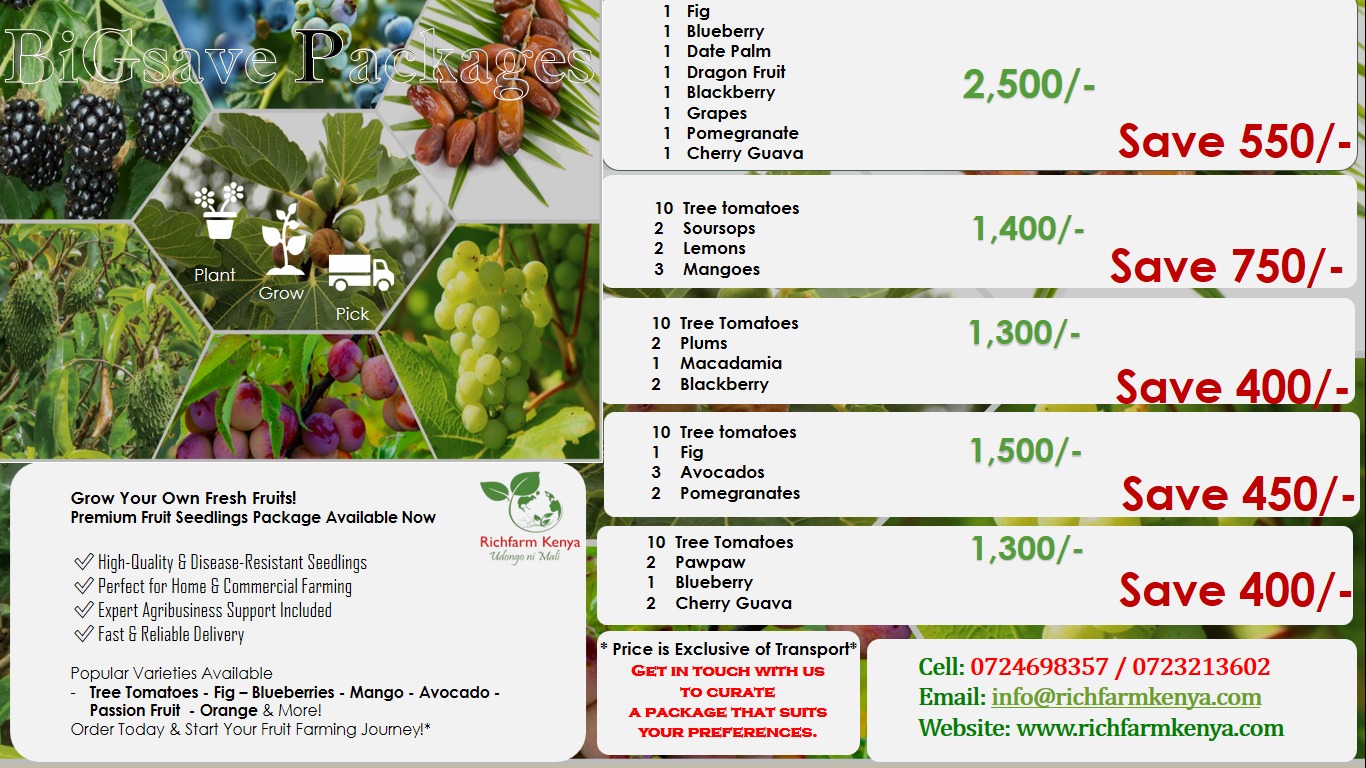
On-going offer on our fruit tree seedling package.


Top Fruit Trees That Yield the First Year After Transplanting

Are you a gardener who is yearning to grow some fruit trees but is afraid of the long wait? It’s especially very important to get to know that not all trees take years to bear fruit. While many traditional fruit trees can take several years to mature, certain fast-growing fruit varieties offer harvests within a much shorter time frame—sometimes in as little as 9 months. 

On-going Offer Price on our Fruit Tree Seedlings


These varieties provide quicker returns on investment and also a golden chance to diversify your landscape with fragrant blooms, aesthetic appeal and productive yields. If you are considering a home garden or starting a commercial fruit farm, there are several fruit trees that can thrive in a short amount of time.

ALSO READ  How Do You Navigate the Challenges Faced in Fruit Farming in Kenya?

To achieve success with these trees, it's crucial to choose high-quality grafted varieties from certified nurseries. Grafted trees often have improved disease resistance, greater productivity and faster maturation compared to non-grafted varieties. Let’s dive into some of the fastest-maturing fruit trees you can grow, along with the care they require.

Passion Fruit: A Fast-Growing, High-Value Crop

Passion fruit farming has gained popularity in recent years, thanks to the rising demand from juice manufacturers and an expanding market. Grafted varieties of passion fruit can begin to bear fruit in just 7 to 11 months from transplanting, offering an incredibly rapid turnaround for farmers. The passion fruit vines start to flower around 6 months of age, with fruits taking 2-3 months to mature after transplanting. But the yellow passion fruits tend to ripen a bit sooner than their purple fellows.

Passion Fruit Farming in Kenya


The ecological conditions required for growing passion fruits include moderate rainfall, fertile and well-drained soils, and temperatures ranging from 20°C to 30°C. They do well in altitudes of about 1200-2000 meters above sea level. And the vines can produce fruit for 3 to 10 years if they are well cared for and protected from pests and diseases.


Passion fruit vines are an excellent choice for someone who wants a fast-growing fruit crop with long-term profitability. They can be a valuable addition to your commercial fruit farm or a fragrant, attractive to the eye plant for your garden.

Tree Tomato: A Profitable and Rapid Option

Tomarillos, another name for the tree tomato are another high-yield fruit that matures quickly. While many tree tomato varieties take 1 to 2 years to bear fruit, the Muthakwa grafted variety matures within just 8 months, offering up to 6-10 fruits per cluster. This variety grows on a single upright trunk with several branches and can produce up to 100 kg per plant in a year.

A Tree Tomato Fruit Tree


The growing conditions that they need are the same as the ones for passion fruits. They flourish in deep, well-drained soils with a pH range of 5-8.5 and require moderate rainfall, though they can be grown with irrigation in drier areas. You will however need to provide protection from strong winds an drought conditions, and give proper care to maximize yields.

With a lifespan of up to 12 years, tree tomatoes are a sustainable and profitable option for those looking to harvest within a year of planting.

Strawberries: A Quick and Easy Fruit for Beginners

Strawberries are one of the easiest and fastest fruit crops to grow and also a good for beginners, too. Depending on the variety, strawberries can bear fruit within 3 months after transplanting. Strawberries can take around four weeks from flowering to harvesting. Strawberries are a good choice for container gardening or potting, or small garden spaces. And given proper care, they can yield fruit for up to 6 years.

Straberries


Strawberries require well-drained, fertile soil and moderate temperatures to thrive. Regular watering, pest control, and fertilization will keep the plants productive. They are also an excellent choice for anyone interested in a quick and reliable source of fresh fruit.

Pepino Melon: A Sweet and Perennial Option

Another of the fast-growing fruit option is the Pepino Melonthat can be harvested within 4 to 6 months after transplanting. They are perennial fruits that have gained some admiration both locally and in export markets. Once pollinated, the fruits take about 30 to 80 days to mature and ripen. With proper care, pepino melons can continue producing for up to 3 years.

Got a small space? See 7 Fruits Trees That Thrive in Pots and Are Perfect for Small Spaces for Beginners

Pepino melons do quite well in warm, sunny weather conditions, and with soils that are well-drained soils. They are best harvested when fully ripe, but timing is very important—harvesting too early results in a lack of sweetness, while harvesting too late can lead to spoilage. Pepino melons are relatively low-maintenance and offer an attractive fruit option for gardeners looking for a quicker return.

Citrus Fruits: Lemons, Limes, and Oranges

Lemons, limes and oranges also referred to as citrus trees are another popular choice for gardeners who want fast fruiting. While these trees may take a bit longer to bear fruit in comparison to the varieties mentioned above, certain types like Meyer lemons and Key limes can produce fruit in as little as one year when grown in optimal conditions. For those living in warmer climates, citrus trees can be grown outdoors year-round. For those in colder regions, consider growing them in containers to bring them indoors during the extreme weather conditions.

A Potted Meyer Lemon Fruit Tree


Dwarf or columnar citrus varieties tend to bear fruit sooner than their larger counterparts. Meyer lemons, for example, are small enough or better yet a dwarf variety to grow in pots inside the house, making them an excellent option for city dwellers who love gardening but with limited space.

Citrus trees generally prefer sunny, well-drained locations. They however need consistent watering and care to prevent root rot. When grown indoors, they need at least 6 hours of sunlight a day. With proper attention, citrus trees can provide fruit in their first year and continue producing for many years.

Need a healthy Orchard? See Use of Cover Crops and Mulching: A Powerful Combination for Healthy Fruit Trees

Fig Trees: A Reliable and Quick-Bearing Fruit

They are quite a loved popular fruit tree for gardeners who want to grow something that produces quickly but also thrives in varying climates. Fig trees can bear fruit within 1 to 2 years, with some varieties, like the Brown Turkey and Chicago Hardy, capable of fruiting within the first year. Figs are self-pollinating, so you only need one tree to get a good crop. They are well-suited for container gardening, allowing you to bring them indoors during colder months.

A Fig Fruit Tree


Figs prefer sunny locations and well-drained soil. They are quite adaptable and can be grown in cold areas depending on the variety. Figs can be grown as bushes in the cooler climates. They die back to the ground in winter and growing again in the spring.  To protect them you can prune to help ensure a bountiful harvest each year.

Choosing the Right Fruit Tree for Your Space

When selecting fruit trees for quick harvests, consider factors such as climate, soil type, and the tree's size at maturity. Varieties like the dwarf and columnar varieties tend to bear fruit sooner than standard-sized trees. For gardeners eager for a fast return, planting a combination of dwarf and semi-dwarf trees can offer both quick gratification and long-term yields.

READ ON How to Space Out Your Fruit Trees in the Orchard for Maximum Production and Profitability

Additionally, some trees, like apples, apricots, and peaches, are ideal for short-term homeowners who want to add value to their property and enjoy fresh fruit in just a few years. These trees provide an attractive landscape feature while also providing fruit for family enjoyment.

Final Thoughts

While many people believe that growing fruit trees requires years of patience, several varieties offer rapid maturation, yielding fruit in as little as 9 months. If you go for the grafted varieties, of course with proper care and management you can start harvesting fresh fruit quickly if you’re growing for personal enjoyment or commercial gain.

Apart from passion fruits and tree tomatoes or tomarillos, to the strawberries and citrus, there are quite a number of fast-maturing options for the different climates and gardening choices. Plan well and give proper attention to your trees’ needs, and you can enjoy a fruitful harvest in no time.

So why wait? Start planting today, and place your first order for your preferred fruit tree seedling. Grab our on-going offer and get more for less!

Our contacts: 0724698357/0723213602


Featured post

7 Methods to Protect Your Grape Farm from Birds

Have you been scared of starting a grape farm in Kenya because of the potential loses that can be caused by destructive bird? You have a rea...