Export Ban Continues as the Mature Macadamia Nut Harvest Season Begins on March 1, 2025

The macadamia industry in Kenya plays an important role in supporting the country’s economy and it relies largely on the international market. Around 95% of Kenya's annual macadamia production is shipped to international markets, making it a key export product. In 2019, the industry saw an impressive spike in prices, with macadamia nuts reaching an all-time high of Ksh. 180 per kilogram. This price increase gave farmers a sense of hope and encouraged investment in the sector. However, by early 2023 the market faced a significant drop and the prices had dropped dramatically to between Ksh. 30-40 per kilogram, quite a drastic change that left many macadamia farmers struggling with lower income and loads unsold stock.


Macadamia Farming in Kenya

In reaction to these challenges, the Ministry of Agriculture, Livestock, and Fisheries took swift action to stabilize the industry. Under the Agriculture and Food Authority (AFA) Act of 2013, the government lifted the ban on raw macadamia exports. This decision allowed farmers to access international markets once again, providing a temporary solution to the surplus stock problem caused by fluctuating global demand. The move to lift the ban was put in place to help stabilize prices and assist farmers who were affected by the shift in the global macadamia market.

ALSO SEE How to Start a Successful and Profitable Cashew Nut Farming Business in Kenya: From Planting to Harvest

A recent review of the industry found several challenges that need addressing to ensure the long-term success of Kenya’s macadamia industry. One of the issues identified was the difficulty many local companies face in sourcing high-quality nuts for processing. Many processing companies have been struggling to find good stock, which then affects their ability to meet global market standards. 

The investigation went on further to reveal a concerning trend of immature nuts being harvested, processed and exported, which has damaged Kenya’s reputation as a reliable supplier of high-quality macadamia nuts. The export of immature nuts outcomes are low-quality products that are not as competitive in international markets. The professionals have highlighted that export in processed macadamia kernels, that is the nut meat, is far more profitable and quite beneficial for Kenya than exporting raw in-shell nuts. Processed kernels have higher value and are more appealing to buyers in international markets.


READ ALSO How One Can Earn Up to Ksh. 800,000 in 4-6 Months From Onion Farming in Kenya: A Step-by-Step Guide

To give a discourse these issues and ensure the quality of the nuts being exported, the government implemented a new regulation to curb the harvesting and export of immature nuts. A temporary ban on macadamia harvesting was enforced starting November 2, 2024, with the ban lasting until March 1, 2025. This course of action is designed to give the trees enough time to produce mature, high-quality nuts that meet global standards. In addition to the harvesting ban, the government required all dealers to submit their current stock for inspection, verification and clearance by last year November 15, 2024. This inspection process is intended to ensure that only mature nuts are harvested and exported.

Furthermore, the government introduced a minimum farm gate price of Ksh. 100 per kilogram to protect farmers from the extreme price fluctuations that had previously affected them. This market price support ensures that farmers are paid a reasonable price for their macadamia nuts, even when market prices are low.

READ ALSO: How To Start Commercial Blueberry Farming in Kenya

The Agriculture and Food Authority has been assigned with strictly enforcing these new regulations. Dealers who fail to comply with the rules will have their licenses revoked. In making sure that the industry remains on track the Agriculture and Food Authority has also committed to increasing inspections and surveillance to catch any dishonest dealers who might try to circumvent the regulations. This is a critical step in rebuilding the reputation of Kenyan macadamias and ensuring that only the best-quality products reach international markets.


A Macadamia Harvest

The new harvesting season for mature macadamia nuts officially begins today, Saturday, March 1, 2025, as announced by Agriculture and Livestock Development Cabinet Secretary, Mutahi Kagwe, in a statement made earlier this week. However, the CS confirmed that the ban on exporting raw, in-shell macadamia nuts will still be in place. This continued restriction is part of the government's broader efforts to ensure the industry complies with national laws including the Agricultural Food Authority Act and the Oil Crops Regulations of 2020, as well as international commitments.

In a meeting with the key players in the macadamia industry, CS Kagwe put emphasis that the future success of the industry requires a unified approach. He explained that focusing majorly on exporting raw in-shell nuts would not be of any gain to Kenya in the long term. Instead, the country needs to invest in the processing of macadamia nuts to add value and increase the marketability of Kenyan products. He encouraged farmers to register under the Kenya Integrated Agricultural Management Information System (KIAMIS), which would help the government, farmers and industry partners better plan for the future of the sector. The registration system will help track and manage the macadamia supply chain more effectively.


Macadamia Tree

To lend further support to farmers, county governments in partnership with the AFA, will offer several initiatives to improve the industry. These initiatives include providing e-Extension services to share valuable information with farmers, offering subsidized fertilizer to boost yields and supplying market information to help farmers make informed decisions. In addition, organized support groups will be formed to strengthen collaboration and strengthen the industry at the grassroots level.

 The AFA will also lead the creation of a Macadamia Nuts Standing Committee, which will be tasked with addressing challenges in the sector, ensuring traceability and improving the quality and reputation of Kenyan macadamia nuts.

SEE ALSOProfitable Pineapple Farming in Kenya: Best Varieties, Tips and Market Opportunities

Kenya is presently the third-largest producer of macadamia nuts in the world, and this position is an important achievement for the country. However, if the issues affecting the industry are not addressed there is a real risk of losing this ranking. The government and key players are working hard to protect and grow the industry, improve quality standards and create more job opportunities for locals. If there is continued focus on quality, value-added processing and compliance with both national and international regulations, the country can get a competitive possession position in the global market and continue to reap the benefits of its macadamia industry for years to come.


9 Health Benefits of Eating Fig Fruits: Scientific Explanation

We, Kenyans, probably only know figs from the story of Jesus: He got so disappointed on finding no figs on a certain tree that He cursed it. But of late, these exotic fruits are becoming very popular, especially after discovering that they can grow in Kenya and we can get seedlings from Richfarm Nurseries.

Health benefits of figs

Health Benefits of Eating Fig Fruits

Figs are a nutritious fruit with a variety of health benefits, thanks to their rich content of vitamins, minerals, fiber, and antioxidants. Here’s a breakdown of some key health benefits:


1. Rich in Fiber (Digestive Health)

Figs are an excellent source of dietary fiber, which supports healthy digestion. According to scientific nutritional data, 100 grams of fresh figs (about 2-3 medium figs) contain approximately 2.9 grams of dietary fiber. Dried figs provide around 9.8 grams of fiber, hence if you are looking for a high fiber diet, take dried figs.

Figs contain both soluble and insoluble fiber:

  • Soluble fiber (e.g., pectin) helps lower cholesterol and stabilize blood sugar by forming a gel-like substance in the gut.
  • Insoluble fiber adds bulk to stool, aiding in regular bowel movements and preventing constipation.

2. High in Antioxidants (Fights Oxidative Stress)

Figs contain powerful antioxidants, such as polyphenols and flavonoids, which help neutralize free radicals in the body. This can reduce oxidative stress, potentially reducing the aging process and lowering the risk of chronic diseases like heart disease and cancer. Yes, eating more figs can reduce the development of wrinkles on your face.

3. Supports Heart Health

The potassium, fiber, and antioxidants in figs contribute to cardiovascular health. Potassium helps regulate blood pressure by counteracting sodium, while fiber can lower cholesterol levels. Some studies suggest figs may reduce triglycerides, a type of fat in the blood linked to heart disease.

4. Blood Sugar Regulation

Even though figs are naturally sweet, they have a moderate glycemic index, and their fiber content can help slow sugar absorption, aiding in blood sugar control. Research has also indicated that fig extracts might improve insulin sensitivity, which is beneficial for managing diabetes.

5. Promotes Bone Health

Figs are a good source of calcium, magnesium, and vitamin K, all of which are essential for maintaining strong bones. Calcium supports bone density, while magnesium and vitamin K help with bone formation and mineralization, potentially reducing the risk of osteoporosis.

6. Weight Management

The fiber in figs promotes a feeling of fullness, which can help with appetite control and weight management. They’re also relatively low in calories when consumed fresh (though dried figs are more calorie-dense due to concentrated sugars).

7. Skin Health

The antioxidants and anti-inflammatory compounds in figs may benefit skin health by reducing damage from UV rays or aging. Historically, figs have been used in traditional remedies for skin conditions like eczema or psoriasis, though more research is needed.

8. May Have Anti-Cancer Properties

Some lab studies suggest that compounds in figs, like benzaldehyde and coumarins, exhibit anti-tumor activity. While promising, these findings are preliminary and primarily from test-tube or animal studies, so human research is still needed.

9. Boosts Immunity

Figs contain vitamins like A and C (especially when fresh), as well as trace minerals like zinc, which support immune function and help the body fight infections.

Nutritional Highlights (per 100g of fresh figs)

- Calories: ~74 kcal

- Fiber: 2.9g

- Potassium: 232mg

- Calcium: 35mg

- Vitamin A: 142 IU

- Small amounts of B vitamins, vitamin K, and magnesium.

Fresh vs. Dried

Fresh figs are lower in calories and sugar than dried figs, which are more concentrated but still nutritious.

Moderation

Due to their natural sugar content (especially dried figs), overconsumption might lead to digestive discomfort or spikes in blood sugar if not balanced with other foods.

Incorporating figs into your diet—whether fresh, dried, or as part of a recipe—can be a tasty way to enjoy these benefits! Let me know if you’d like recipe ideas or more details.

Dairy Farming Costs of Production: The Role of Government Subsidies in Reducing Dairy Feeds Costs in Kenya

The biggest headache to Dairy Farmers in Kenya is the high prices of animal feeds. One can buy three Friesian cows for Sh300,000 and the high cost of feeds quickly dashes the hopes of turning the dairy farm into a money spinning agribusiness. A spending of almost Sh60,000 monthly can go in to buy commercial feeds and this is where the government comes in subsidizing the dairy cost feeds to enable such a farmer thrive in dairy farming and have it be a profitable agribusiness.


Dairy Farming in Kenya


Dairy Farming plays a key role in the growth of the country’s economy in ways like providing essential nutrition, to creating thousands of jobs among others. The dairy industry has a far-reaching impact. However, the ever-increasing cost of dairy feed is the major challenge as feeding costs are the main bulk of dairy farming expenses, many farmers struggle to maintain profitability. Fortunately, government subsidies are playing an important role in handling this burden.

READ ALSO: How to Start a Successful and Profitable Cashew Nut Farming Business in Kenya: From Planting to Harvest

Let us look at how the subsidies help the Kenyan dairy farmers reduce their feed costs and ensure the sustainability and profitability of their operations.

Understanding the Importance of Government Subsidies in Dairy Feed in Kenya's Dairy Farming Sector

Before diving into Kenya's government support, dairy feeds need to be understood. Dairy farmers spend a lot on feed, roughly 60-70% of what it costs to produce milk. This makes feed the biggest cost for these farmers. The quality and readily available feeds directly affect milk production, animal health and the overall output of a farm.

In Kenya, dairy farmers primarily rely on a mix of locally available feed, including Napier grass, silage and concentrated feeds like dairy meal bought at the stores. Rising feed costs worry farmers. The nation's economy adds to the problem, especially now; inflation, broken supply chains and bad weather all push prices up. Farmers risk losing money because of these high costs.

Role of Subsidies: The Challenge of Rising Feed Costs in Kenya

Kenyan dairy farmers are facing some tough financial times. As feed costs climb, they are left with fewer options. Some farmers reduce the number of cattle they keep, while others cut back on the quality and quantity of feed they provide, which affects milk production and cattle health.

The fluctuating prices of imported feed ingredients, such as soybean and maize, further complicate matters. These ingredients are essential for producing high-quality commercial feeds, and their price volatility can send shockwaves throughout the dairy industry.
A solution is needed now. Government help, called subsidies, can step in. Dairy farmers get money that helps keep feed prices steady and subsidies also support long-term dairy farming.


Dairy Farming in Kenya


1. Government Subsidized Feed Prices: A Direct Relief to Farmers

The most direct way in which government subsidies are supporting Kenyan dairy farmers is through subsidized feed prices. The government has some programs that look to reduce the cost of essential animal feeds making them more affordable to the small scale farmers. By offering subsidies on popular feed products, such as dairy meal, maize bran, and sunflower cake, the government helps farmers access these feeds at lower prices.

This aid can greatly improve a farmer’s profits. Dairy farmers often spend much of their money on feed. Now, they can use those funds in new ways. They can improve animal health or invest in buildings and tools. The subsidy program may lower feed costs. It can also boost the farm's general health.

ALSO SEE Use of Cover Crops and Mulching: A Powerful Combination for Healthy Fruit Trees

2. The Role of The Kenya Dairy Board

The Kenya Dairy Board plays an important role in the implementation of government policies aimed at reducing feed costs. Through the Kenya Dairy Board the government regulates the dairy industry, ensuring that farmers have access to high-quality feed at reasonable prices. The board also provides valuable training and resources to farmers, helping them manage feed more effectively and make informed decisions.

Additionally, the Kenya Dairy Board sets pricing guidelines to protect farmers from the volatility of feed prices. In stabilization of the cost of essential dairy feeds the Kenya Dairy Board helps farmers to avoid the financial shock caused by sudden price increases. This support ensures that the dairy industry remains resilient in the face of market changes.

3. Import Duty Extensions on Feed Ingredients

The government sometimes cuts import taxes on vital feed items. Maize, soybean, and other protein grains are examples. These grains make dairy animal feeds. Lower import costs help local feed makers. Feed production costs go down. This then drops the price of feeds for sale.

Lower feed prices greatly aid farmers. Savings boost their money situation. This helps when buying feeds or mixing their own. The government uses import help to give farmers cheap, good feed.

4. Livestock Offtake Programs during Feed Shortages

In dry weather seasons or other emergencies that lead to feed shortages the government has livestock offtake programs. During these drought periods, the government buys livestock from farmers to help reduce the pressure of feeding large herds. This helps farmers avoid the tough choices about feed. Limited feed can hurt milk output or kill animals.

Through offtake programs, farmers can sell off excess livestock to the government at fair prices, helping them manage their operations during tough times. While this doesn’t directly reduce the cost of feed, it offers farmers a financial safety net during challenging conditions.


Commercial Dairy Farming in Kenya


The Long-Term Impact of Government Subsidies on Kenyan Dairy Farmers

Government subsidies are no doubt a lifeline for many Kenyan dairy farmers through the reduction of the cost of dairy feeds. The subsidies in turn go on to help to small scale dairy farmer stay in business and support the sustainability of the entire industry. There are still some long-term benefits to look at as well.

1. Increase in Dairy Production and Stability

Lower feed costs help farmers keep milk production steady, and stable milk output leads to steadier prices. This benefits both the farmers and the people who buy milk, and more farmers stay in business when times are good and therefore the dairy industry then grows as a result of this.

2. Improved Animal Health and Productivity

When the farmers have the financial ability to afford to give their cattle with the needed quality animal feeds this goes on to reflect on the improvement in the health and productivity of the herds which in turn leads to healthier cows, better milk yields and a more efficient farming operation system. The reduction in cost of feeds allows the farmers to focus on other aspects of their farms such as veterinary care and herd management ultimately leading to higher profits which is every farmer's goal or objective.

3. Supporting Local Feed Production

In the long run, the governments help in boosting the local feed output and this pushes more farmers to grow and use feeds from nearby. And they can get better feeds, boosting the local businesses to grow.

And also by providing financial support to both large-scale feed manufacturers and smallholder farmers producing own feeds, the government helps to reduce Kenya’s reliance on imported feed and promotes the growth of a more self-sustaining dairy industry.

DON'T MISS OUT: Fruits and Vegetables Rich in Antioxidants: Unlocking Their Health Benefits and Impacts

Challenges and Limitations of Government Subsidies

These subsidy programs are quite beneficial but there are some challenges that need to be looked at.

•Limited Access for Small-Scale Farmers: Some smallholder farmers, especially those in remote areas, have limited access to subsidized feeds. This lack of access can prevent them from fully benefiting from the government’s support.

•Dependency on Subsidies: Subsidies offer quick help and farmers might depend too much on them and this reliance can stop them from using better, lasting farming methods. They need to focus on long-term sustainability.

•Budget Constraints: The government’s ability to provide subsidies is subject to budgetary constraints. As the demand for subsidies increases, there may be challenges in maintaining consistent and widespread support.


7 Fruits Trees That Thrive in Pots and Are Perfect for Small Spaces for Beginners

You don’t need an orchard to grow delicious fruit at home. Many Fruit Trees and plants, such as apple trees, strawberries, blueberries and figs can thrive in your garden or even on a yard or veranda. If you’re limited on space, don’t worry – you can still enjoy fresh fruit by planting in containers. I bet you know that strawberries can even grow in hanging baskets! Here’s a list of our seven favorite fruits that are perfect for beginners;

1. Strawberry

2. Fig Fruit 

3. Blueberry

4. Blackberry

5. Raspberry

6. Gooseberry

7. Apple

1. Strawberries

Strawberries are one of the most rewarding fruits to grow. Nothing beats the taste of sun-ripened strawberries picked fresh from your own garden. These fruits are incredibly versatile – they grow well in containers, hanging baskets, window boxes, or directly in the ground. They need plenty of sunlight and well-drained soil, so make sure to plant them in a sunny spot. Strawberries don’t require much space, so even if you have a small garden or yard you can grow them successfully.

Strawberry

If you're planting strawberries, be sure to choose the right varieties for your climate and growing conditions. There are a few excellent options for beginners.
Varieties to Try: For a long harvest season, try our ‘Chandler” strawberry; this is to ensure you have strawberries to harvest.

2. Figs

Fig trees love warmth and sunshine, so they’re perfect for planting against a sunny south or west-facing wall. Figs produce the best fruit when their roots are somewhat restricted, making them an excellent choice for container gardening. Since they’re susceptible to frost, it’s important to protect your fig trees from deep winter freezes by moving containers to a sheltered area or using protective covers. But, once the weather warms up, you’ll be able to enjoy fresh, sun-warmed figs that taste incredibly sweet.

Fig Fruit 


Varieties to Try: A classic fig variety that’s perfect for the Kenyan climate is Brown Turkey (currently in stock), Pastiliere, Ronde de Bordeaux, Celeste and Florea also known as Michurinska 10, although we have over 30 indigenous varieties. It’s self-fertile and will thrive in both containers and the ground. There are smaller fig tree varieties for containers that matures to around 1.8m tall and can even produce two crops per year.

3. Blueberries

If you have tasted them you understand they are not only delicious but also incredibly ornamental, with their fragrant spring flowers and vibrant autumn foliage. These plants thrive in containers, which makes them ideal for smaller gardens, patios, or balconies. Blueberries prefer acidic, well-drained soil, so be sure to use ericaceous compost for your containers and water them with rainwater (tap water can reduce the acidity of the soil). As long as you meet their soil requirements, blueberries are relatively easy to grow, and they’re also known for their health benefits, so you’ll enjoy them even more knowing they’re packed with nutrients.


 Blueberries


Varieties to Try: If you're only planting one blueberry bush, consider a self-fertile variety which will produce plenty of fruit without needing a second plant for pollination. For a more compact option, try ‘Top Hat,’ a self-fertile variety that matures to just 60cm tall. For something a little different, ‘Pink Sapphire’ is a unique blueberry variety that produces clusters of bright pink, super-sweet berries, adding a pop of color to your garden.

4. Blackberries

Blackberries are not only delicious but also incredibly easy to grow, making them an ideal choice for beginners. These plants are adaptable, growing well in both sun and shade, and they don’t require much care to produce a bountiful crop of dark, glossy fruits. Blackberries are perfect for anyone looking to enjoy fresh fruit during the summer months, and they’re especially tasty when eaten straight from the bush or baked into pies, tarts, and jams.

Blackberry


Varieties to Try: For smaller gardens or container gardening try Navaho, Ouachita, and Chester. ‘Black Cascade,’ a compact blackberry variety that grows to just 45cm tall. It’s perfect for hanging baskets, adding both beauty and function to your outdoor space. For a child-friendly, thornless option, ‘Apache’ is an excellent choice. This variety produces sweet, juicy blackberries and is easy to harvest, making it a great choice for families with kids.

5. Raspberries

Raspberries are another fantastic fruit to grow at home, as they’re hardy and easy to maintain. Raspberry plants are vigorous growers, so they’ll do well in raised beds, containers or the ground, as long as the soil has good drainage and the plants receive plenty of sunlight. You can choose between summer and autumn-fruiting varieties, or even plant both to extend your harvest season. While raspberries require a little bit of maintenance such as pruning the canes at the right time each year, they are relatively low-maintenance overall.

Raspberry


Varieties to Try: Locally we have the red and black raspberry cultivars although there are over 100 varieties. There are autumn-fruiting variety that produce juicy raspberries from July to October. If you prefer summer-fruiting raspberries, ‘Glen Coe’ is an excellent choice. It’s thornless and produces sweet, purple raspberries that are perfect for fresh eating or baking. For smaller spaces or container gardening, a dwarf raspberry variety that grows to just 45cm tall is perfect for small yards or even balconies and verandas.

6. Gooseberries

Gooseberries known as ‘Nathi’ in my local language are often overlooked but are among the easiest berries to grow. They need very little attention and are low maintenance beyond the occasional watering during the fruiting season. Gooseberries can be planted in a variety of conditions, from sunny to slightly shaded areas, and they’re particularly well-suited for shady corners of the garden that aren’t used for much else. The fruits are delicious in desserts, such as cakes, crumbles, and jams, but they’re also tasty on their own. Some people even enjoy eating them straight from the bush when they’re fully ripe.

Cape Gooseberry


Varieties to Try: For a golden, sweet variety, try the Cape gooseberry. The berries are yellow-orange, resemble small tomatoes, do not contain much juice and have a slightly acidic taste reminiscent of tomato and raspberry but also of citrus fruits. From the berries you can get an excellent jam and a real delicacy if covered with chocolate. They can be eaten alone or added to salads. If dried slightly they can be pickled. These gooseberry bushes are heavy croppers, ensuring you'll have plenty of fruit to harvest each year.

7. Apples

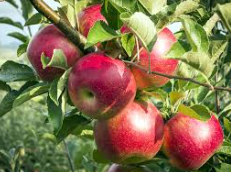
Apple trees are a classic choice for home gardeners, and they’re especially great for beginners because they’re relatively easy to grow. Apple trees can bear fruit from mid-summer to late autumn, depending on the variety. They thrive in fertile, well-drained soil that gets plenty of sunlight. To ensure a healthy crop, it’s also a good idea to prune your apple trees in the winter. Apples are versatile fruits – some varieties are sweet enough to eat fresh, while others are perfect for baking into pies, crumbles, or sauces. Even if you have limited space, you can grow compact dwarf apple varieties in containers.

Pink Lady Apple


Varieties to Try: For small gardens, the ‘Granny Smith’ (green) apple tree is a great option. This compact tree has two different apple varieties grafted onto its main stem, allowing the two varieties to pollinate each other.  You can also try the ‘Pink Lady’ (redish) and ‘Golden Corset’ apple varieties.

Frequently Asked Questions

1. What is the easiest fruit tree to grow?

An apple tree is easy to grow as it requires less maintenance; it is long-lived and has a high production.

2.What are quickest fruits to grow?

Berries like the strawberries, blackberries, raspberries are among the quickest fruits to grow. They also produce fruits in the first year or less after transplanting.

3. What are the easiest fruits to grow in pots?

The strawberries and the blueberries are easiest to grow in pots. Blueberries need acidic soils, which is very easy to provide in pots. And strawberries are tightly-packed naturally and do well in pots.

4. What are some easy fruits to grow for beginners?

Strawberries are fairly easy to grow and can get fruit in the first year. Raspberries need less attention and yield can be increased by pruning yearly.


7 Health Benefits of Dragon Fruit: Proven Nutrition Facts

Dragon fruit, also known as pitaya or pitahaya, is a sweet and attractive fruit that has gained popularity worldwide for its vibrant appearance and impressive nutritional profile.

It is native to Central and South America but is now cultivated in Southeast Asia, Australia, and parts of East Africa, especially Kenya.

Its exterior can be bright pink, red, or yellow with green-tipped scales, while the flesh inside is typically white or red, speckled with tiny black seeds.

In addition to its beauty and sweetness, dragon fruit offers a range of health benefits backed by science and nutrition experts. 

Ripe dragon fruits are packed with nutrients and numerous health benefits


Here’s a closer look at why this fruit deserves a spot in your diet.


1. Rich in Nutrients, Low in Calories

Dragon fruit is a nutritional powerhouse that will give you essential vitamins and minerals without having to take in too many calories. One medium-sized dragon fruit (about 200g) will give you the following nutrients:

(Approximate values sourced from nutritional databases like the USDA):

  • Vitamin C: 18-40 mg 
  • B Vitamins: < 5% DV per 200 grams.
  • Carbohydrates: 22 grams - this includes natural sugars and fiber.
  • Protein: 2-3 grams 
  • Fat: 0.5-1 gram  - Fat is minimal but small amounts are present in the seeds, which contain traces of healthy omega-3 and omega-6 fatty acids.
  • Fiber: 6 grams - This is about 20-24% of the daily recommended intake (25-30 grams for adults).
  • Antioxidants: While not measured in grams, 200 grams of dragon fruit contains a meaningful dose of antioxidants like betalains (in red varieties), flavonoids, and hydroxycinnamates. Let’s explore that better in point 2.
  • Calories: 120 kcal only 
  • Water: 160-180 grams – That is about 80-90% of the total mass, making it highly hydrating.
  • Sugars: 15-18 grams depending on ripeness and variety
  • Iron: 0.8-1.6 mg – About 4-9% of the DV (18 mg for women, 8 mg for men).
  • Magnesium: 20-40 mg – Roughly 5-10% of the DV (400-420 mg for adults).
  • Calcium: 16-20 mg – About 1-2% of the DV (1,000-1,200 mg).


2. Packed with Antioxidants

One major health benefit of dragon fruit is its high antioxidant content. It contains several types of antioxidants, including betalains, hydroxycinnamates, and flavonoids. Betalains, mostly found in the red-fleshed varieties, have been shown to combat oxidative stress and reduce inflammation in the body. Studies suggest these compounds may help protect against chronic diseases by neutralizing free radicals, unstable molecules that can damage cells and contribute to aging and illnesses like cancer and heart disease. The fruit’s antioxidant properties make it a tasty ally in maintaining long-term health.


3. Supports Digestive Health

Dragon fruit is an excellent source of fiber, with a 100-gram serving providing about 3 grams—roughly 10% of the daily recommended intake. Fiber aids digestion by promoting regular bowel movements and preventing constipation. Beyond that, dragon fruit contains prebiotics, specifically oligosaccharides, which feed beneficial gut bacteria. A healthy gut microbiome is linked to improved digestion, better immunity, and even enhanced mood. Research indicates that prebiotics may help balance gut flora, making dragon fruit a gut-friendly choice.


4. Boosts Immunity

The combination of vitamin C and antioxidants in dragon fruit gives your immune system a natural boost. Vitamin C stimulates the production of white blood cells, which are critical for fighting off infections. Meanwhile, the iron content supports oxygen transport in the blood, ensuring your body’s systems run smoothly. During cold and flu season—or any time your defenses need reinforcement—dragon fruit can be a refreshing addition to your diet.


5. May Improve Heart Health

Dragon fruit’s tiny black seeds may be small, but they’re packed with heart-healthy fats, including omega-3 and omega-6 fatty acids. These unsaturated fats can help reduce LDL (“bad”) cholesterol levels, lowering the risk of cardiovascular issues. Additionally, the fruit’s antioxidants, particularly betalains, have been linked to reduced inflammation and protection against arterial damage. While more research is needed, early studies suggest that regular consumption of dragon fruit could contribute to a healthier heart.


6. Regulates Blood Sugar Levels

For those managing blood sugar, dragon fruit shows promise as a supportive food. Its fiber content slows the absorption of sugar, helping to prevent spikes in blood glucose levels. Some animal studies have indicated that dragon fruit extract may improve insulin sensitivity, though human studies are still limited. While it’s not a substitute for medical treatment, incorporating dragon fruit into a balanced diet could offer modest benefits for blood sugar control.


7. Hydrates and Promotes Skin Health

With a water content of about 80-90%, dragon fruit is a hydrating snack that keeps you refreshed, especially in hot climates. Proper hydration benefits every system in the body, including the skin. The vitamin C in dragon fruit also plays a role in collagen production, which keeps skin firm and youthful. Anecdotally, some people use dragon fruit pulp in DIY face masks, though scientific evidence for topical benefits is still emerging.


How to Enjoy Dragon Fruit

Incorporating dragon fruit into your diet is simple. Scoop out the flesh with a spoon and eat it raw, or add it to smoothies, salads, or yogurt for a burst of color and flavor. Its mildly sweet, kiwi-like taste pairs well with other fruits. You can even grill it lightly for a unique twist. The skin isn’t edible, but the seeds are—crunch away!


Dragon fruit salad: Healthy way to start your day

A Few Considerations

Dragon fruit is generally safe for most people, though overeating may lead to mild digestive discomfort due to its fiber content. Those with allergies to cactus-related plants should proceed with caution. Otherwise, it’s a versatile and nutritious option with few downsides.


The Bottom Line

Dragon fruit isn’t just a feast for the eyes; it’s a boon for your body. From bolstering immunity to supporting heart and gut health, its benefits are as vibrant as its appearance. Whether you’re drawn to its nutrition or its novelty, dragon fruit is a delicious way to enhance your wellness routine. Next time you spot this spiky gem at the market, consider giving it a try—your taste buds and your health will thank you.

Where to Buy Dragon Fruits in Kenya

You can buy ripe and ready-to-eat dragon fruits from Richfarm Kenya. They offer an excellent delivery service across Kenya and their number, +254724698357, is always ready for a call, Monday to Saturday, 8 am to 5 am. 

Top 5 Most Successful Dragon Fruit Farmers in Kenya

Dragon fruit, also known as pitaya, has continued to gain popularity as a lucrative crop in Kenya, mainly because of its high market value and adaptability to different climates, particularly the ability to grow in semi-arid regions. This exotic fruit, known for its attractive appearance and nutritional benefits, has turned small-scale and innovative farmers into renowned profit-making agripreneurs. Today, we explore the top 5 most successful dragon fruit farmers in Kenya.

Successful Dragon Fruit Farmers in Kenya

1. Walter Muange – The Machakos Dragon Fruit Pioneer

Walter Muange stands out as one of Kenya’s most prominent dragon fruit farmers in Kenya, mainly because of his innovative approach to the cultivation of this fruit. His orchard is in Masii, Machakos County, where he has over 2,000 dragon fruit plants. Muange has turned his farm into a model of success with his innovative use of extra lighting — low-energy bulbs — to stimulate year-round production and allow him to harvest beyond the typical two seasons.

Muange’s low-cost techniques, such as using motorbike tires as trellises and regular pruning to encourage branching, have helped him to maximize yield and profitability. His story, widely shared through platforms like Red Fox TV, inspires farmers in Kenya and beyond.

2. Priscilla Nyairia and Husband – The Nyeri Trailblazers

Along the Nyeri-Nyahururu road, Priscilla Nyairia and her husband have built a thriving dragon Fruit Empire. They began with cuttings imported from the Philippines. In the beginning, they consulted an agronomist about the fruit’s suitability to grow in Kenyan soil. The agronomist was skeptical, saying that dragon fruits cannot grow in Kenya, but the couple overcame the negativity, and their persistence paid off. They started small, but have expanded significantly and are now eyeing a 10-acre dragon farm with 10,000 – 20,000 trees.

They shared their secret to high dragon fruit yield: the meticulous use of 10 kg of organic manure per pole during planting and top-dressing at least twice a year. They also have a mulberry barrier around the farm that keeps pests at bay. Since coming to the limelight as one of the major dragon fruit producers in Kenya, they have been struggling to meet soaring demand. Their success speaks of dragon fruit’s exclusivity and market potential in the East African region and beyond.

3. Anthony Mugambi – The Meru Visionary

We all know him as the "King of Dragon Fruit”. Anthony Mugambi, based in Nkubu, Meru County, transformed a personal experiment into a 20-acre dragon fruit plantation. He says he was inspired by Vietnam’s success with the crop, imported cuttings from South Africa in 2015, encouraged other farmers to join in, and now leads the Kenya Dragon Fruit Farmers Network.

His main market is the juice spots in Lavington in Nairobi, and a few export orders. Even with 20 acres, Mugambi admits that he struggles to meet the demand for export quality fruits – like a client from Italy requesting 5 tons weekly. His efforts in training new dragon fruit farmers in Kenya and his focus on value addition, including jams and wines, seek to bridge the gap between supply and demand.

4. Waweru Murimi – The Malaa Innovator

Waweru Murimi is another successful farmer in the semi-arid Machakos County’s Malaa area. He started dragon fruit farming in 2016 with imported cuttings after failing to get quality seedlings from within the country. He now prides in a farm with over 2,500 mature dragon fruit vines, so vibrant that it is a model of success in dragon fruit farming in Kenya.

Waweru’s dragon fruit farm takes an organic approach such as using neem oil instead of chemical fungicides. He has also curved an income stream for himself by tapping the power of social media to offer trainings on dragon fruit farming. He also sells vines at Ksh 500 each sells his fruits in the upscale markets of Nairobi, where his organic fruits fetch between Ksh 1,000 and Ksh 2,000 a kilo.

5. Evanson Nthiga – Embu County’s Agricultural Revolution Leader

This guy is tucked away in Gikiiro village, Kiritiri, Mbeere South Constituency, Embu County – the home of muguka farming. Recognizing the challenges associated with the area’s cash crops, Nthiga ventured into dragon fruit farming in 2022. His aim is to provide his community with a sustainable alternative amidst the rising restrictions and social backlash against muguka.

His enterprise, Richfarm Kenya, specializes in dragon fruit cultivation and seedling propagation. The farm in Embu County with 3,000 dragon fruit plants has a unique set-up in which he uses live Senna Siamea trees for trellising the dragon fruit vines. Nthiga says he did this in order to show the community that the initial cost of setting up a dragon fruit farm need not be too high. The tree, which is also a fodder crop, has several other advantages including nitrogen fixation, windbreaking, soil conservation, and water conservation. The farm now acts as a model farm and offers training and quality seedlings to aspiring farmers.

Quality dragon fruit seedlings for sale at Richfarm Kenya


The Dragon Fruit Revolution in Kenya

These five farmers clearly bring out the transformative power of dragon fruit in Kenya’s agricultural landscape. From Walter Muange’s lighting innovations to Evans Nthiga’s innovative farming techniques, their stories highlight resilience, creativity, a keen eye for opportunity, and a passion for helping their communities. 

As demand surges—both locally and internationally, with prices holding strong at Ksh 400 to Ksh 1,000 per kilogram—these pioneers are not just reaping profits but sowing the seeds for a broader agricultural shift. With Kenya’s favorable climate and growing awareness, dragon fruit farming is poised to become a cornerstone of the nation’s agribusiness, led by these remarkable trailblazers.

Featured post

7 Methods to Protect Your Grape Farm from Birds

Have you been scared of starting a grape farm in Kenya because of the potential loses that can be caused by destructive bird? You have a rea...